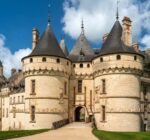


Most of us picture the same thing: gleaming stone towers, lords feasting by firelight, knights clanking across cobbled courtyards. The romantic version of castle life has been sold to us in films, games, and tourist brochures for decades. But step past the portcullis and the real story is far stranger — and far more fascinating.
Medieval castles were not simply homes for the rich. They were military headquarters, economic engines, diplomatic stages, and small towns all at once. Here is what life inside them was actually like.
More people than you’d imagine
A well-appointed castle in the 13th century might house hundreds of people. The lord and his family occupied the upper floors, yes — but they were outnumbered twenty to one by everyone else. Garrison soldiers, stewards, cooks, grooms, blacksmiths, laundresses, clerks, chaplains, and a small army of servants all lived within the walls.
For the lower ranks, living conditions were spartan. Many soldiers slept in the great hall or in purpose-built barracks in the outer ward. Stable hands bedded down near the horses. The castle was not a private retreat — it was a community, noisy and crowded from before dawn to well after dusk.
The great hall: where everything happened
The great hall was the social core of every castle. It was where meals were served, disputes were settled, entertainment was staged, and important guests were received. On ordinary days it doubled as a dormitory. After supper, trestle tables were dismantled and straw pallets were rolled out for the household servants.
Meals in the great hall followed strict rules of hierarchy. The lord sat at the “high table” on a raised dais at the far end, elevated above the room. Status determined not just where you sat but what you ate. Salt was precious enough that sitting above or below the salt cellar on the table indicated your rank. The finest meats, the whitest bread, and the best wine flowed toward the top of the room and rarely reached the bottom.
Love exploring the world? Join thousands of travellers who get stories like this every week. Subscribe free →
Cold, dark, and surprisingly ingenious
Forget the warm golden glow of Hollywood torchlight. Real castle interiors were cold for most of the year, and dimmer than you might expect. Windows were small — deliberately so, to keep out arrows and the worst of the wind. Glazed windows were a luxury reserved for chapels and the lord’s private chambers.
Yet medieval builders were ingenious. Arrow loops (the narrow vertical slits in castle walls) were designed with wider internal splays so archers could aim across a wide angle while remaining almost completely protected. Spiral staircases almost always turned clockwise — a deliberate design choice that gave right-handed defenders the advantage when fighting their way down.
Underfloor heating existed in some grand castles, borrowed from Roman hypocaust technology. Certain Welsh and English fortresses had surprisingly sophisticated drainage systems. These were not primitive buildings — they were engineered solutions to specific military, social, and environmental problems.
The garderobe — medieval plumbing’s finest hour
The question everyone secretly wants answered: yes, castles had toilets. The garderobe was a small chamber built into the thickness of the castle wall, with a seat positioned over a vertical shaft that dropped into a pit or — in coastal castles — directly into the sea or a moat.
The name “garderobe” (literally “guard the robe”) comes from the practice of hanging clothes nearby — the ammonia from the shaft apparently deterred moths. You can still find garderobes in dozens of surviving medieval castles, from Ireland’s finest fortresses to the great stone towers of Welsh castles along Snowdonia. Visiting one in person is oddly moving — a reminder that the people who lived in these walls were just as human as we are.
The kitchen and the constant threat of fire
Castle kitchens were almost always built as a separate structure or placed in the outer ward, away from the main keep. Fire was a genuine terror in a building constructed of timber floors and tapestry-draped walls. Sparks from an unattended hearth could spread across an entire residential block in minutes.
Castle cooks operated on a scale that modern chefs would find staggering. For a great feast — a royal visit, a wedding, a tournament — the kitchen might roast dozens of animals over multiple days. Spices were worth fortunes and were kept locked away like valuables. The head cook occupied a position of genuine status, trusted by the lord in ways that a random knight might not be.
Entertainment, religion, and the rhythm of the day
Castle life was structured around the liturgical hours. The castle chapel rang bells for Matins, Lauds, and Vespers. Religious observance was not optional — it was woven into the daily routine for everyone from the lord down to the lowest stable boy.
In the evenings, entertainment came from travelling minstrels, storytellers, jesters, and acrobats. Games of chess and tables (an ancestor of backgammon) were popular among the educated classes. Hunting was not just leisure — it was a crucial source of fresh meat and a way for the garrison to stay sharp.
When you walk through the less-visited castles of Europe, listen for the silence and try to fill it back in. The clatter of pots, the ring of the chapel bell, the laughter from the great hall, the steady beat of a blacksmith’s hammer. The stones remember all of it, even if the books leave most of it out.
What was daily life like in a medieval castle?
Daily life in a medieval castle was busy, hierarchical, and communal. The household rose at dawn, followed religious services in the chapel, worked through the day at roles ranging from military duty to cooking and crafts, and gathered in the great hall for meals. The lord and his family had private chambers, but most of the castle’s large population lived and worked in shared spaces.
Did castles have bathrooms and running water?
Yes — though not in the modern sense. Most medieval castles had garderobes: small toilet chambers built into the wall with shafts that emptied into pits or waterways. Better-equipped castles had cisterns to collect rainwater and some even had piped water from springs. Bathing happened in wooden tubs filled by hand — lords bathed more frequently than popular myth suggests, typically several times a month.
How many people lived in a typical medieval castle?
A small border tower might house a garrison of twenty or thirty. A major royal castle during a full court visit could hold several hundred people. A typical baronial castle in peacetime housed between fifty and two hundred people, including the lord’s family, knights, men-at-arms, and all the servants needed to feed, clothe, arm, and maintain them.
For Those Who Dream In Miles
Every week, get travel stories that take you somewhere extraordinary — castles, coastlines, hidden villages, and the roads less travelled.
Love more? Join 64,000 Ireland lovers → · Join 43,000 Scotland lovers →
Free forever · One email per week · Unsubscribe anytime
The stones of every surviving castle hold centuries of ordinary life — not just battles and banquets, but the daily grind of hundreds of people doing extraordinary things in extraordinary places. Next time you visit one, look past the guided tour and imagine the kitchen fires still burning, the chapel bell still ringing, the great hall still full.