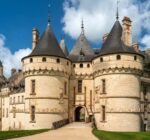


Most travellers chasing castle beauty stop at Neuschwanstein in Germany, then call it done. They’re missing the point. Tucked into the Carpathian Mountains of Romania, Peleș Castle is every bit as spectacular — and on most days, you could almost have it to yourself.
Built as a royal summer retreat in the late 19th century, this Neo-Renaissance palace rises from the forests of Sinaia like something from a different world. It is, by any measure, one of the most beautiful buildings in Europe — and one of the least talked about.
Built for a king who wanted a fairy tale
King Carol I of Romania commissioned Peleș Castle in 1873. It wasn’t finished until 1914. He didn’t want a fortress. He wanted something extraordinary — a royal residence that could rival the finest palaces of Western Europe, hidden in the mountains like a private secret.
The result is 160 rooms, each decorated in a different European style — Moorish, Renaissance, Baroque, Turkish, Florentine — filled with Flemish tapestries, Murano glass chandeliers, ivory carvings and one of Europe’s finest collections of medieval armour. No two rooms look alike. Every corridor turns into a surprise.
The architecture that stops you cold
From the outside, Peleș looks almost impossible. Towers and spires rise at every angle. Carved wooden balconies jut from pale stone walls. The facade is so detailed, so layered with ornamental stonework, that photographs barely do it justice.
The German architects Wilhelm Doderer and Johannes Schultz drew on styles from across Central Europe. The result is something uniquely Romanian — a castle that belongs entirely to its Carpathian setting while looking like it was dreamed up by someone with no interest in restraint.
Neuschwanstein was also built in the 19th century as a romantic fantasy. But where Neuschwanstein has queues stretching for hundreds of metres in summer, Peleș receives a fraction of the visitors. The experience is simply better.
Rooms that tell stories
The Florentine Hall is covered floor to ceiling in carved walnut. The Moorish Salon looks like it was transported whole from Andalusia. The Great Armory holds thousands of weapons spanning six centuries, arranged with the care of a man who genuinely loved them.
Carol I filled Peleș with Turkish rugs, Venetian glass and theatrical props sourced from Vienna’s finest workshops. Walking through the castle feels less like touring a palace and more like stepping into the private obsession of a man who loved beauty above all else.
Peleș also has one of the earliest central heating systems installed in any castle in the world — a reminder that its royal builder had an eye for both beauty and comfort.
Love exploring the world? Join thousands of travellers who get stories like this every week. Subscribe free →
A smaller secret next door
Just a short walk from the main castle sits Pelișor — “Little Peleș” — a smaller Art Nouveau residence built for Crown Prince Ferdinand and his wife Marie. Where Peleș is opulent and grand, Pelișor is intimate and thoughtful.
Queen Marie filled it with gold-leaf ceilings, Celtic symbols and Byzantine motifs that reflect her eclectic spirit. Most visitors to Peleș barely notice Pelișor. That’s their loss — the two castles together make for one of the most rewarding half-days you can spend anywhere in Eastern Europe.
Getting there and what to expect
Peleș is in Sinaia, about 130 kilometres north of Bucharest. Direct trains from Bucharest’s Gara de Nord take around two hours. The town itself — the “Pearl of the Carpathians” — is a lovely mountain resort worth exploring on its own.
Entry is very affordable by Western European standards. Even in peak summer, queues rarely match what you’d encounter at the famous fairy-tale castles of Western Europe. The surrounding park is free to walk at any time.
For those considering staying overnight nearby, Sinaia has excellent mountain hotels. For a full guide to sleeping inside historic walls, our list of the world’s best castle hotels includes several Eastern European options worth considering.
Frequently asked questions about Peleș Castle
Is Peleș Castle on the UNESCO World Heritage list?
Peleș Castle is on Romania’s tentative list for UNESCO World Heritage status but has not yet received full designation. The nomination reflects its outstanding architectural and historical significance — it’s widely regarded as one of the finest 19th-century castles in Europe.
When is the best time to visit Peleș Castle?
Late spring (May to June) and early autumn (September to October) offer the most pleasant weather and smaller crowds. Winter visits are genuinely magical — the forested Carpathians look spectacular under snow, and the castle glows in the cold mountain light.
How far is Peleș Castle from Bucharest?
Peleș Castle is approximately 130 kilometres north of Bucharest, in the mountain town of Sinaia. Direct trains from Bucharest Gara de Nord take around two hours and are very affordable. Driving takes a similar amount of time via the E60 motorway.
For Those Who Dream In Miles
Every week, get travel stories that take you somewhere extraordinary — castles, coastlines, hidden villages, and the roads less travelled.
Love more? Join 64,000 Ireland lovers → · Join 43,000 Scotland lovers →
Free forever · One email per week · Unsubscribe anytime
Peleș doesn’t shout for attention. It sits in its mountain forests — patient, extraordinary, waiting for travellers who thought to look beyond the obvious. If you’ve ever wanted to see a castle that genuinely takes your breath away, without the crowds and the queues, Romania has been keeping a magnificent secret. Now you know where to find it.